


News&Blogs


A stable control system is essential for maintaining consistent operating conditions in plastic extrusion.
The Chenxing 16-zone PLC-based control system is designed for single screw extruders and related extrusion equipment. It integrates temperature monitoring, PID-based heating control, motor drive management and operator interaction into a centralized control platform.
The system allows operators to monitor configured heating zones, adjust operating parameters and view equipment status through a touchscreen interface.
Depending on the machine configuration, the control system can also coordinate the main extruder motor, haul-off unit and other connected equipment.
It can be supplied as part of a new extrusion machine or evaluated as an upgrade solution for existing equipment, subject to compatibility with the original electrical and mechanical systems.
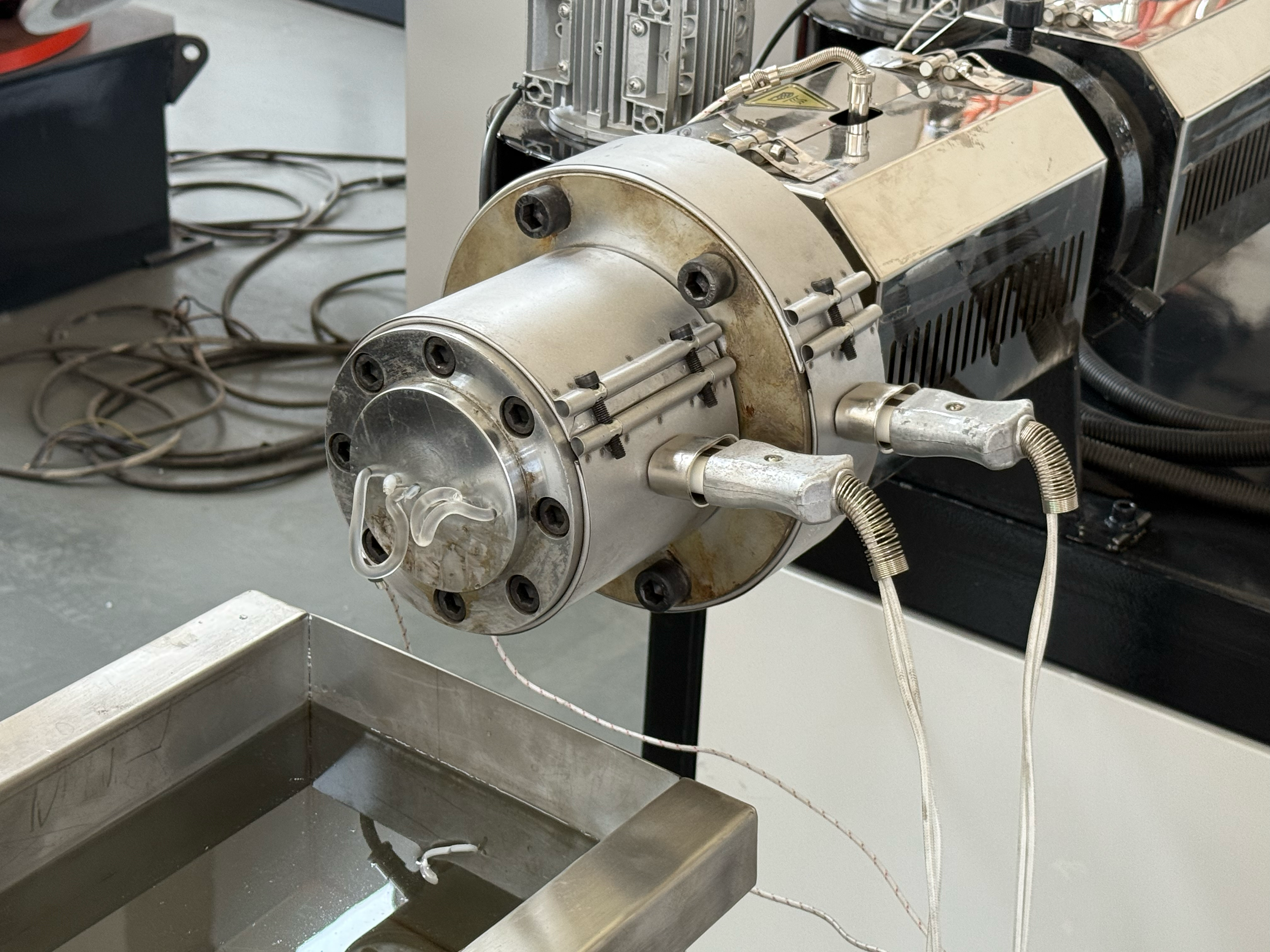
The control cabinet integrates several electrical and automation components to manage the extrusion process.
The PLC acts as the central controller of the system. It processes signals from temperature sensors, drive units and other connected devices according to the configured control logic.
The PLC can coordinate operating sequences, display machine status and execute configured alarms or interlocks.
The system is configured with a 16-channel temperature control arrangement.
Each configured heating zone can be monitored and regulated independently through PID control, helping maintain the required temperature settings during production.
The actual number and distribution of heating zones depend on the extruder barrel, adapter, die and other heating sections included in the machine configuration.
The human-machine interface provides operators with a centralized view of the equipment.
Depending on the configured functions, operators can use the touchscreen to:
View the temperature of each configured zone
Adjust temperature setpoints
Monitor machine operating status
Check alarms and fault messages
Access operating parameters
A multilingual interface can be configured to support different operating environments.
Variable-frequency drives can be used to regulate the speed of the main extruder motor and compatible downstream equipment.
This allows operators to adjust operating speed according to material characteristics and production requirements.
The drive configuration and available control functions depend on the selected motor and electrical components.
Temperature sensors provide feedback to the control system for monitoring and regulation.
The selected sensor type, wiring arrangement, heating circuit and control module should match the temperature requirements and electrical design of the extruder.
Temperature management is one of the most important functions of an extruder control system.
During extrusion, different sections of the barrel and die may require different temperature settings according to the polymer, screw design and production process.
The 16-zone configuration provides multiple independent temperature control channels.
Typical functions include:
Independent temperature setting for each configured zone
Real-time temperature monitoring
PID-based temperature regulation
High-temperature alarms
Sensor fault detection, where supported by the configured hardware
Temperature-related startup interlocks, where included in the control logic
A properly configured temperature control system helps operators manage thermal conditions more consistently.
However, actual temperature stability depends on sensor accuracy, heater capacity, thermal design, material throughput and operating conditions. Temperature control performance should be evaluated under defined production conditions.
In addition to temperature regulation, the control system can coordinate the operation of the main extruder motor and compatible auxiliary equipment.
Depending on the machine configuration, the system may include:
Main extruder motor speed control
Haul-off speed adjustment
Motor current monitoring
Torque or load monitoring, where supported by the drive
Coordinated operation with downstream equipment
Variable-frequency control enables adjustable motor speed and controlled acceleration.
For extrusion processes, the relationship between screw speed, material feeding and haul-off speed is important for maintaining stable output and product dimensions.
The required control logic should be configured according to the actual production line rather than using a universal setting for every application.
An effective control system should support safe operating procedures and help operators identify abnormal conditions.
Depending on the supplied electrical configuration, available protection functions may include:
Temperature alarms: Notify operators when monitored temperatures exceed configured limits.
Sensor fault alarms: Identify abnormal temperature sensor signals when the relevant detection function is available.
Startup interlocks: Prevent selected equipment from starting before required conditions are met.
Motor protection: Work with the motor drive and electrical protection devices to respond to configured overload or fault conditions.
Operating status monitoring: Display machine status and relevant operating information on the HMI.
For example, an extrusion machine may require barrel heating to reach the specified operating temperature before screw startup. This helps avoid starting the screw while the material inside the barrel is still too cold to process safely.
The exact interlock sequence and protection functions should be confirmed against the machine's electrical design.
The control system can be configured for single screw extruders used in different plastic processing applications.
Typical applications include:
Single screw extruders are widely used in PE and PP pipe production. The control system can coordinate configured heating zones and main motor operation according to the production requirements.
For PPR pipe manufacturing, temperature monitoring and motor speed adjustment help operators manage the extrusion process according to the material grade and production specification.
Single screw extruders can be used for selected sheet and board applications. The control system configuration depends on the extruder structure, heating sections and die requirements.
For compatible profile extrusion applications, the control system can manage the extruder and coordinate selected downstream equipment.
Single screw extruders used in plastic pelletizing can also be equipped with temperature and motor control functions. Additional control requirements depend on the feeding, filtration, cutting and cooling equipment.
For PVC pipe, profile and board production, many conventional rigid PVC applications use conical twin screw extruders. The control architecture should therefore be selected according to the actual extruder type rather than assuming that a single screw control configuration applies to every PVC production line.
For manufacturers operating older extrusion equipment, upgrading the electrical control system may improve operating convenience and process monitoring.
Before an upgrade, the existing machine should be evaluated to determine:
Extruder model and screw diameter
Main motor type and rated power
Number of heating zones
Existing temperature sensors and heaters
Current control cabinet structure
Available space for electrical components
Downstream equipment and communication requirements
Based on this information, the control cabinet, PLC, HMI, temperature modules and drive configuration can be evaluated.
Not every existing extruder can use the same upgrade solution. Compatibility and electrical safety should be checked before implementation.
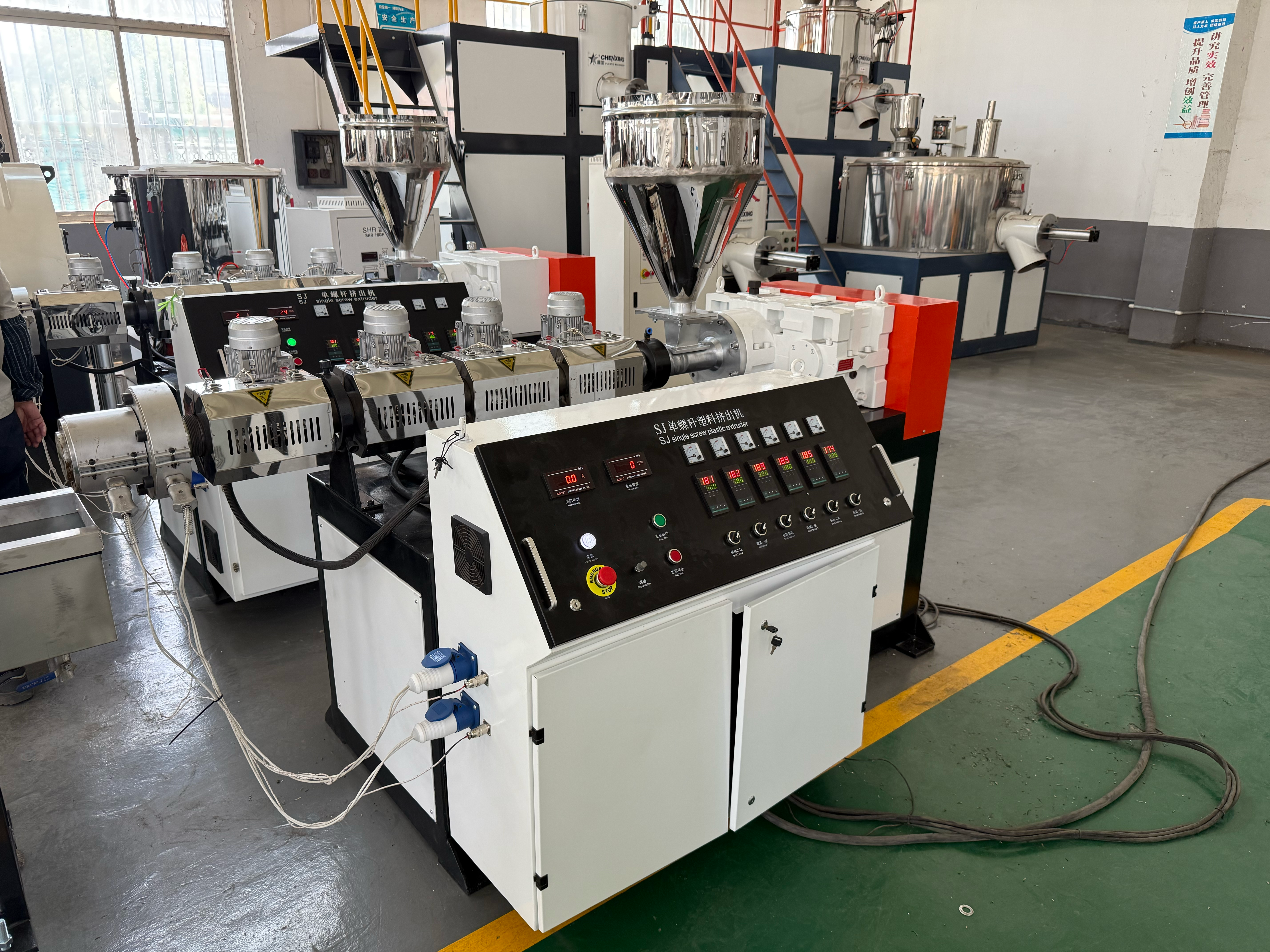
A properly designed control system provides several practical benefits:
Centralized Operation
Operators can monitor important machine parameters through a centralized interface rather than adjusting multiple independent control devices.
Independent Temperature Management
Configured heating zones can be monitored and adjusted separately according to the extrusion process.
Improved Process Visibility
The HMI provides operating information and alarm messages to help operators identify abnormal conditions.
Flexible Configuration
PLC logic, temperature channels and drive arrangements can be selected according to the extruder and production line requirements.
Easier Maintenance and Troubleshooting
A clearly organized electrical control system can make it easier for maintenance personnel to inspect components, identify faults and perform servicing.
A 16-zone control system provides up to 16 configured temperature control channels. Each channel can regulate a corresponding heating zone independently, subject to the installed hardware and electrical configuration.
Yes, an upgrade can be evaluated for an existing extruder. The machine model, motor, heating zones, sensors and existing electrical cabinet should be checked before confirming compatibility.
The listed configuration includes a 16-channel PID temperature control arrangement. The exact control module and temperature sensor configuration should be confirmed according to the supplied electrical specification.
The described configuration includes variable-frequency drive control for the main motor and haul-off. The final control arrangement depends on the selected drive units and machine configuration.
The listed system supports Chinese and English interface options. Other languages should be confirmed according to the selected HMI and software configuration.
Not necessarily. The required number of temperature control zones depends on the extruder barrel length, die structure, heating sections and production process. The control system should be configured according to the actual machine.
Please provide the extruder model, main motor power, number of heating zones, existing control cabinet photos and any specific automation requirements. These details help determine the appropriate control configuration.
Are you planning to upgrade an existing single screw extruder or configure a new extrusion machine?
Send us your machine information and control requirements. Our team can evaluate the electrical configuration and recommend a suitable PLC-based control solution.
Please provide:
Extruder model and screw diameter
Main motor power
Number of heating zones
Existing PLC and temperature controller information, if available
Photos of the current control cabinet
Required automation and downstream equipment functions
Contact Chenxing Machinery
Email: ceo@cxsljx.com
WhatsApp: +86 159 5118 7228
Website: www.chenxingmachinery.com


